

Thailand’s flag, known as ธงไตรรงค์ (thong trai rong), features a bold, horizontal tricolor of red, white, and blue stripes. Red signifies the nation and people, white represents purity and religion, and the central blue stripe, twice as wide, honors the monarchy. Historical Beginnings The flag’s… Read More
How to Say Please and Thank You in Thai (Politely)

In Thai culture, being polite and expressing gratitude are essential aspects of social interaction. By learning polite phrases, you not only show respect for Thai customs but also develop deeper connections with the people you encounter. So, whether you’re sightseeing in Bangkok, propping up a… Read More
Taking Money in and out of Thailand: A Guide to the Rules

Various regulations govern the transportation of cash into and out of Thailand, depending on whether you’re dealing with a foreign currency or the Thai Baht. While these regulations are clearly outlined, few travellers bother to check, and some end up falling foul of the law.… Read More
Thai Nominee Shareholder Company: Is It Legal?

You’ve probably heard about the recent clampdown on foreign businesses operating illegally in Thailand, in Phuket in particular. Indeed, local police noted that there are in excess of 400 business operating as “nominee companies”. But what exactly does this mean. How can a business that… Read More
How to Convert a Tourist Visa to a Non-Immigrant O Visa

Can you convert a Tourist Visa, or a 30-day visa stamp (exemption), into a 90-day Non Immigrant O Visa? Yes. Well, not so much convert, but immigration will cancel your current visa, or stamp, and issue the Non O, if you meet the requirements. This… Read More
Escape the Loneliness Trap: 9 Ways to Meet New Friends in Thailand
Living in a bustling metropolis like Bangkok or a more secluded locale can pose its challenges, especially for expats striving to establish meaningful connections. If you’re navigating expat life as an introvert, the task might seem even more daunting. The specter of loneliness can loom… Read More
Visiting Bang Krachao: A Guide to Bangkok’s “Green Lung”

Bangkok is a bustling metropolis known for its vibrant energy, never-ending traffic, and towering skyscrapers. It is certainly not the first place that comes to mind when you think of green spaces and tranquillity. However, hidden amidst the urban chaos lies a hidden gem. Bang… Read More
Buddhist Ordination in Thailand: The Journey into Monkhood
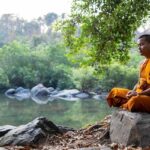
In Thailand, ordination is a revered rite of passage for young men, signifying their dedication to the Buddhist faith and their commitment to a monastic life. This thousand-year-old tradition carries profound religious significance and cultural value. In this comprehensive article, I will explore the history,… Read More
Koh Kret: A Guide to the Car-Free Island Near Bangkok

Koh Kret, often spelled “Koh Kred,” is a unique island located in the Chao Phraya River, just north of Bangkok, Thailand. The tiny island covers an area of approximately 3.2 square kilometers (about 1.2 square miles). Known for its traditional Mon culture and beautiful pottery,… Read More
Gun Ownership in Thailand: Laws, Enforcement & the Black Market

In the past few years, Thailand has experienced three horrendous mass shootings. A soldier of the Royal Thai Army committed the first, in 2020. He killed 30 people and wounded 58 others before he was eventually shot and killed (1). In 2022, the Nong Bua… Read More
Thailand’s Education System: An Expat’s Guide

For a family relocating to the Land of Smiles, or an expat married to a Thai national, one of the most critical considerations is the education of their children. Thailand boasts a dynamic education system that offers a range of options, from government schools to… Read More
Thailand’s New Income Tax Policy for Expats [Fact Checked by Experts]

You’ve probably seen the panic online regarding the changes to tax policy on foreign income remittance to Thailand. Many expats are scaring themselves and others with speculation over how the changes will impact life in Thailand. To help separate the truth from the speculation and… Read More
Rules for Coral Collection & Coral Souvenirs in Thailand

On a recent trip to Chaweng Noi Beach in Koh Samui, I picked up a few pieces of washed up coral on the shoreline. The shapes fascinated the kids, so we took them back to the hotel with us. It suddenly dawned on me that… Read More
The Mia Noi Tradition: Understanding Polygamy in Thai Society

The practice of polygamy, or having multiple wives, in Thailand has a rich historical heritage that dates back centuries. While you would be hard pushed to find a man in Thailand with multiple wives today, the practice of having a second partner, a “Mia Noi”… Read More
How to Get from Bangkok to Phuket & How to Get Around the Island

If you’re planning your journey from Bangkok to Phuket, flying is the most convenient option. The flight duration of just under 90 minutes makes it a quick choice, with numerous flights available from Suvarnabhumi and Don Mueang airports. The good news is that airfares usually… Read More
Isaan People: Debunking 7 Unfair Negative Stereotypes

The Isaan region and its people, despite their vibrant culture, rich history, and significant contributions to Thailand’s society, have unfortunately been subject to negative stereotypes and biases within the broader Thai social landscape. These perceptions have deep historical roots that intersect with factors such as… Read More
5 Visa Options to Stay in Thailand Long Term

Thailand is a popular destination for travelers, but many people also dream of making it their long-term home. Indeed, one question many have after a wonderful holiday is, “How can I stay here long term?” Fortunately, there are several visa options that allow foreigners to… Read More
Renting an Apartment in Thailand: The Ultimate Guide

Renting an apartment in Thailand is an exciting prospect, but before you start your search for the perfect condo, you’ll want to read up on how the process differs from renting in your home country. In this guide, you’ll learn everything you need to know,… Read More
Retiring In Thailand? Here’s the Most Useful Guide Ever Written

If you’re planning on retiring in Thailand, there are numerous things you need to consider, some of which you probably haven’t yet thought of. And that’s the purpose of this guide: a checklist of sorts to make sure you have everything covered. First, we will… Read More
Count in Thai: From Zero to 1 Million! (Includes Translations)
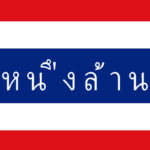
Whether you’re paying for a boat ticket, haggling over a price in the local market, or dissecting the menu prices at a local restaurant, knowing how to count in Thai is very useful. In my opinion, learning the Thai numbers is one of the easiest… Read More
Retiring in Thailand – How Much Does It Cost?

A recent study estimated that a person needs approximately $390,000 (US) to retire in Thailand. The cost was calculated over 14 years: retiring at 64, with a life expectancy of 78.7 years. This works out at $2,321 per month, or 82,500 THB. This is actually… Read More
Using ATMs in Thailand: Fees, Withdrawal Limits, Locations

If you’re traveling to Thailand for a holiday, or planning on living here for work or retirement, one of your first considerations will be money, that is exchanging money and withdrawing it at ATMs (Automated Teller Machine). In this post, I’ll break down everything you… Read More
10 Reasons You Should Never Ride Elephants In Thailand

If there’s one symbol that’s synonymous with Thailand, it’s the elephant. Emblazoned on t-shirts, acting as the mascot of the kingdom’s (arguably) best beer, and tattooed on the ankle of many a visiting wanderer, the friendly elephant is the perfect representative of the nation known… Read More
Sharks of Thailand: Species, Locations, Risk & Attack History

The shorelines of Thailand are a main draw for tourism, and for those who’ve watched Jaws one too many times, there may be some fear around swimming and diving in the turquoise waters of Thailand. It’s easy to fret about the potential of sharks in… Read More
Box Jellyfish in Thailand: Sting Statistics, High-Risk Areas & Prevention Methods

Box jellyfish are highly dangerous invertebrate species. They are appropriately named due to their cube-shaped body structure and long trailing tentacles. Several species of box jellyfish, such as Carukia Barnesi, Malo Kingi, and Chironex Fleckeri, possess extreme venomousness. In addition to their venomous nature, box… Read More
11 Gifts You Should Never Buy Your Thai Girlfriend

If you’re thinking about a present to buy your Thai girlfriend, read this first. What you might think is a lovely gift, could actually be a bad omen. We all know Thailand is a superstitious place. While many Thais believe in spirits and rubbing sacred… Read More
Is Thai Massage Really Good for You? History, Risks, Benefits

One of the huge benefits of living in Thailand is the very affordable cost of getting a Traditional Thai massage (TTM). I am of course talking about the therapy type, not the more saucy type, you may be disappointed to read. For a mere 200-400… Read More
Working Online in Thailand – Legal Guidelines, Work Permits & Prosecution

These days it seems like every other foreigner you meet in Thailand is doing some sort of work online. Whether a retiree managing business affairs back home via email, a YouTuber documenting their every breath of air, of an entrepreneur running an e-Commerce store out… Read More
Songkran: A Guide to the Thai New Year & World’s Biggest Water Fight

One thing everybody enjoyed as a child was a good water fight, especially when the summer came around. Unfortunately, once you had accidentally splashed an adult or made another kid cry, the fun would be brought to a quick halt and you’d be ordered inside to get… Read More
Importing Products from Thailand: 7 Golden Rules for Success

Thailand is a great country to source products, whether it be clothes, handicrafts, or food items. With numerous markets and factories offering goods at wholesale prices, many expats and holidaymakers consider importing products from Thailand to their home countries. Whether shipping containers of fisherman’s pants… Read More
New 90-Day Muay Thai Visa for 2024

Thailand has announced a unique visa scheme catering specifically to foreigners seeking Muay Thai training within the country. This initiative allows martial arts enthusiasts to extend their stay from the standard 60 days to an extended period of 90 days. The announcement follows the establishment… Read More